






When you and your partner form a parental union, a “patrimony” is automatically created. The patrimony includes some of your property, which becomes shared property. The value of this property will be shared between you and your partner if you separate. Do you know what property is in your parental union patrimony?
|
Important! As of June 30, 2025, a new regime applies to parents who are in a common-law relationship in Quebec: the parental union. Unmarried couples who had or adopted a child together on or after this date are automatically in a parental union. A parental union creates specific rights and obligations for parents, especially if they separate. |
Your house, furniture and vehicles
Some of your property is automatically included in your parental union patrimony. It becomes shared property between you and your partner even if you’re the sole owner.
|
What is a patrimony? A patrimony is a set of assets, debts and obligations. Every person has a patrimony. Your personal patrimony may, for example, include your house, money, investments or savings, a mortgage or credit card debt. In addition to personal patrimonies, couples who are married, in a civil union or in a parental union share a patrimony with their partners. This is the couple’s set of shared assets, regardless of who owns them. For couples who are married or in a civil union, we call it a family patrimony. For common-law couples in a parental union, we call it a parental union patrimony. The patrimony of a deceased person is called an estate. |
Here is the property included in a parental union patrimony:
- residences used by the family, like your principal residence or your cottage,
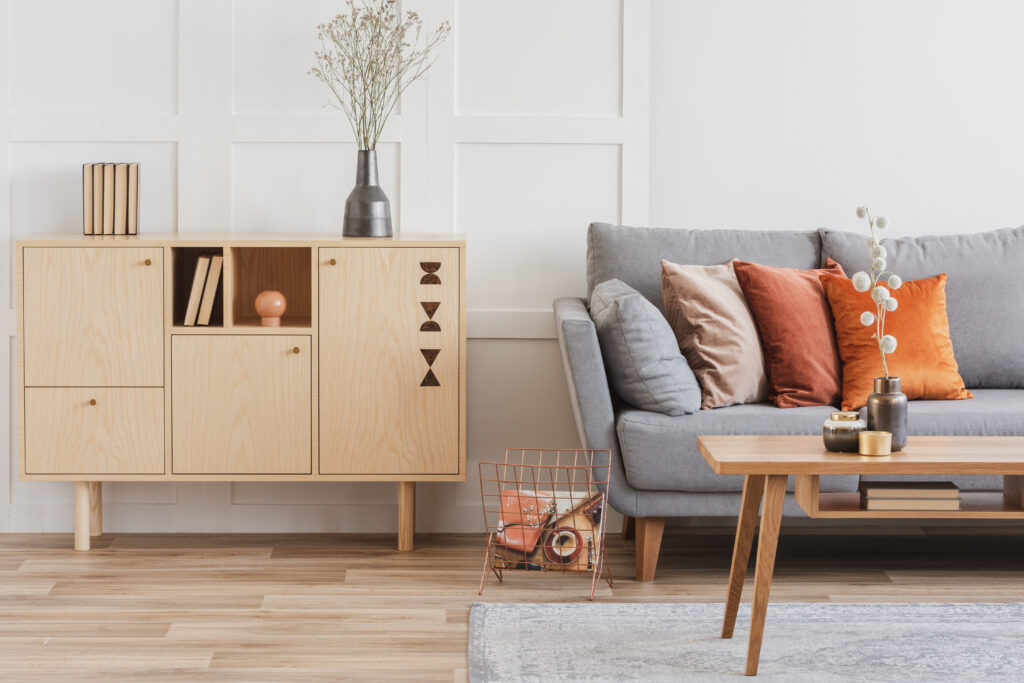
- furniture used by the family, like beds, computers or appliances,
- vehicles used for the family, like cars, an ATV or a boat.
You can withdraw property from your parental union patrimony, but only with your partner’s consent. To do this, you must sign an agreement in front of a notary.
Property that is not part of the patrimony
Some of your property is not automatically included in your parental union patrimony. But keep in mind that you can modify the property in your parental union patrimony with your partner’s consent. You can also consult a legal professional if you want information specific to your situation.
Your RRSPs, pension and other retirement savings
Your savings and investments for retirement are not part of the parental union patrimony. This includes your pension, RRSPs and contributions to the Régime des rentes du Québec (Québec Pension Plan).
Property received as a gift or an inheritance
Gifts and property that you inherited are not part of your parental union patrimony. For example, if you inherited your family residence, it’s not part of the parental union patrimony and its value will not be divided if you separate.
Your personal property
Your personal property is not part of the parental union patrimony. Personal property means you’re the sole owner of the property and the only one who uses it. For example, your clothing and jewellery are not part of the parental union patrimony.
Property of people under 18
If you’re a minor, your property will only be included in your parental union patrimony when you turn 18.
Dividing the patrimony
When a parental union ends, the value of the property in the parental union patrimony is shared equally between you and your partner. This value is calculated on the date your parental union ends. But your situation can affect how the property is divided. For example, if you owned the family residence before your parental union patrimony was created, you could be entitled to a larger portion when dividing its value. For more information, read our article on the division of property for parental union couples.
The parental union patrimony will also be divided and shared if one of the partners passes away, or if you sign an agreement to withdraw from the parental union patrimony.