





If you identify as LGBTQ+, this web guide gives you a starting point for legal information that might be relevant to you for this reason. It highlights resources that were created with your unique experience in mind. If you have a more general legal question, like a problem with your rental housing, don’t hesitate to use the search bar or check out a different web guide.
If you provide legal information to LGBTQ+ people, you can also use this web guide as a reference tool. We also have other resources created specifically for community workers.
LGBTQ+ stands for lesbian, gay, bisexual, trans, and queer or questioning. The plus sign at the end represents the other diverse sexual orientations and gender identities that aren’t covered by the acronym’s letters. Different variations of this acronym exist. For definitions of these identities and other related terms, you can check the glossary created by the organization Fondation Émergence.
Starting a family
If you want to have a child, you might be considering assisted reproduction, surrogacy or adoption. Each of these paths to becoming a parent have different legal, financial and medical considerations to be aware of. But rest assured that gay, lesbian and queer couples have the same rights as other parents.




Get more helpThe LGBT+ Families Coalition has more resources for current and future LGBTQ+ parents on their website. They also organize family-focused events. |
Affirming your gender identity
If you’re trans, non-binary or genderqueer, you can ask to change the first name and gender marker on your ID to match your gender identity. You can also ask for gender-affirming care through Quebec’s public health care system. Learn about how each process works so you can make an informed choice.

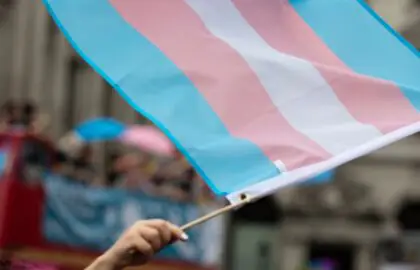
Get more helpThe organization Aide aux trans du Québec runs a helpline for people who are trans, non-binary or questioning their gender. Their website also has other resources. The organization Juritrans has more detailed information about name and gender marker changes on their website. They run a trans ID legal clinic to help you fill out the paperwork. |
Discrimination and harassment
Quebec’s Charter of human rights and freedoms recognizes and protects diverse sexual orientations, gender identities and expressions. It’s illegal to discriminate against you or to harass you because of your LGBTQ+ identity. If you or someone you know is experiencing this, help is available.



Get more helpThe LGBTQ+ organization Interligne has a help and information service that you can use by phone, text or online chat. They also have a legal clinic for LGBTQ+ people. |
Conversion therapy
“Conversion therapy” is a term used to cover a variety of practices that aim to change, repress or reduce someone’s LGBTQ+ identity, whether this be their sexual orientation, gender identity or gender expression. Conversion therapy is dangerous and it’s a crime in Canada. If you or someone you know has experienced this, help is available.


Get more helpThe LGBTQ+ organization Interligne has a help and information service that you can use by phone, text or online chat. They also have a legal clinic for LGBTQ+ people. |
Intimate partner violence
Violence can occur in any intimate relationship, including queer relationships. In collaboration with the organization Interligne, Éducaloi created a series of videos that cover various legal issues for LGBTQ+ people who have experienced intimate partner violence. Each video comes with a reference guide that summarizes the key points.
Get more helpThe LGBTQ+ organization Interligne has a help and information service that you can use by phone, text or online chat. They also have a legal clinic for LGBTQ+ people. While not specifically for LGBTQ+ people, the organization SOS violence conjugale is another great resource if you have questions or concerns related to intimate partner violence. They offer a helpline and other resources through their website. |
Sexual violence
This pocket guide centers the testimony of LGBTQ+ survivors of sexual violence. It explores different options for addressing what happened.

Get more helpThe LGBTQ+ organization Interligne has a help and information service that you can use by phone, text or online chat. They also have a legal clinic for LGBTQ+ people. While not specifically for LGBTQ+ people, the Sexual Violence Helpline is another great resource if you have questions or concerns related to this topic. They offer a helpline and other resources through their website. |