






Many people today live on unceded Indigenous land without knowing about the laws that have shaped the relationship between the Canadian government and First Nations. One of the most significant is the Indian Act, a law that has deeply affected the lives of First Nations for the past 150 years. But where did it come from?
|
Who are the First Nations? The term First Nations refers to Indigenous peoples who are not Inuit or Métis. Quebec is home to 11 First Nations, represented by 41 communities located throughout the province and governed by band councils. Among others, these include the Algonquin, Cree, Naskapi, Mohawk, Innu, Mi’kmaq, Wolastoqiyik, Abenaki, les Anishinaabe and Atikamekw peoples. |
The origins of the Indian Act
The origins of the Indian Act date back to 1876. Under Canada’s Constitution Act, 1867, only the federal government has the power to make laws about “Indians, and Lands reserved for the Indians.” When the Indian Act was passed, it confirmed and defined that power, limiting the First Nations’ autonomy.
The Act brought together several earlier colonial laws and rules. At the time, its purpose was clear: to assimilate First Nations and gradually eliminate their cultures, traditions and systems of governance.
To achieve this, the Act gave the federal government broad control over many aspects of the First Nations’ lives, including their political structure, governance, cultural practices and education. It also gave the federal government the power to decide who has Indian status under the law, rather than allowing First Nations themselves to determine membership in their communities.
Today, the Indian Act continues to apply to many important aspects of the lives of First Nations, including eligibility for Indian status, the administration of band councils and the management of reserve lands.
The impacts on history
The Indian Act and its many changes over the decades profoundly transformed the lives of First Nations.
One of the most significant impacts was to governance. The Act replaced traditional systems of leadership with a system of band councils. Chiefs who held their roles according to the traditions of their communities were no longer recognized under the law. Instead, only chiefs elected under the rules established by the federal government were legally recognized.
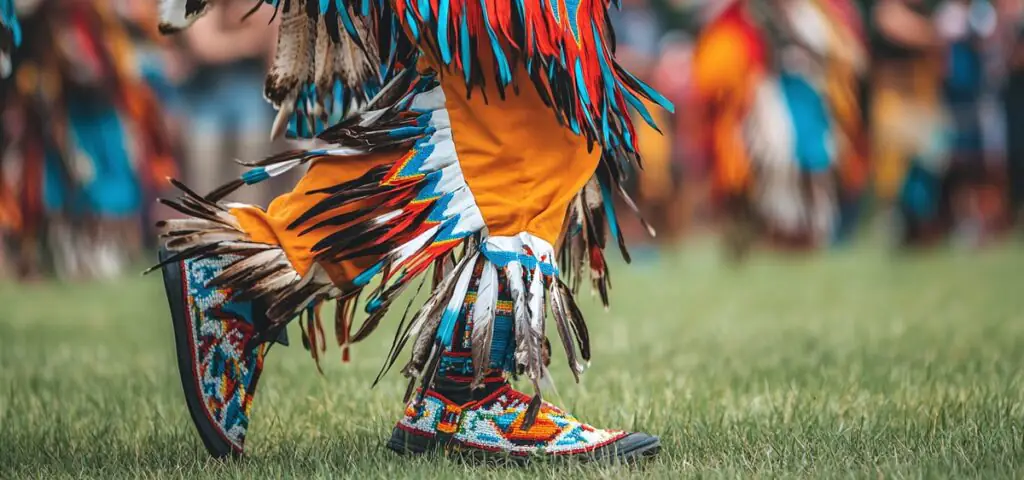
The Act was also used to restrict the cultural and spiritual practices of First Nations. Changes introduced in 1884 and 1885 banned several ceremonies and religious gatherings. Important traditions, such as powwows and the Sun Dance, were banned as part of the government’s policy of assimilation.
The Indian Act also played a role in establishing the residential school system. For over a century, thousands of First Nations children were forcibly taken from their families and sent to these schools to be assimilated. Many experienced physical, psychological and sexual abuse. They were also separated from their languages and cultures, and often suffered neglect and malnutrition. Many never returned home. The effects of the residential school system continue to affect survivors, their families and their communities today.
Discriminatory rules
In addition to having discriminatory rules, the Indian Act also treated women unfairly.
For example, women with Indian status who married a man without status automatically lost their status and the rights associated with it. On the other hand, men with Indian status didn’t lose theirs if they married a woman without status. Although this unequal treatment was removed from the law in 1985, some of its effects continue to be felt by many families today.
The Indian Act was not the only law that discriminated against First Nations. For decades, other laws also contributed to this unequal treatment. For example, until 2008, the Canadian Human Rights Act of 1977 said that it didn’t apply to or change decisions made under the Indian Act. As a result, First Nations people living or working on a reserve couldn’t file a complaint with the Canadian Human Rights Commission if they believed they had been treated unfairly under the Indian Act. This specific section of the Canadian Human Rights Act was removed in 2008.
Also, for a long time, people with Indian status had to give up their status to get certain rights, like the right to vote, or to avoid certain legal restrictions. In other words, the Indian Act set up a system of federal control and guardianship over First Nations people. This system limited their autonomy and placed them in a relationship of dependence on the federal government.
The Indian Act has been modified many times since it was introduced, including significant changes in 1985 that removed some of its most discriminatory rules.